Screwdriving
Picks a screw, finds the hole and drives it home. Our first task, and the one we're building now.

Inclined builds robot arms that take on screwdriving, fastening and connector insertion, so your people can spend their time on the skilled work.
Real footage
assets/video/real-task.mp4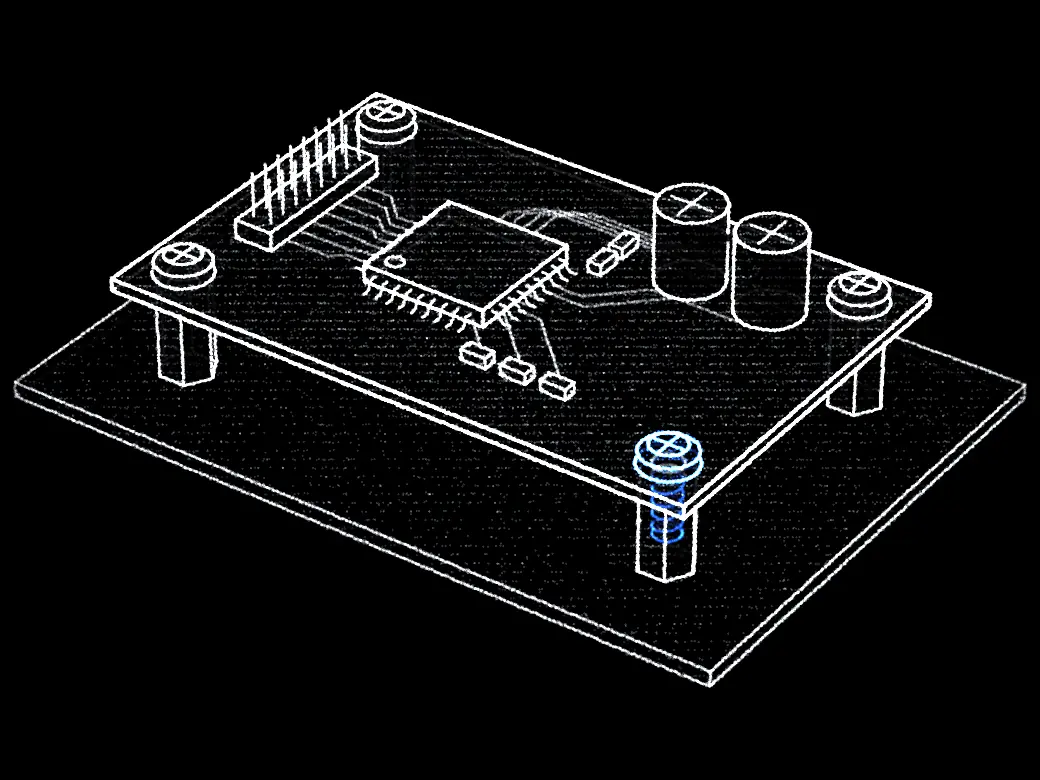
What it does
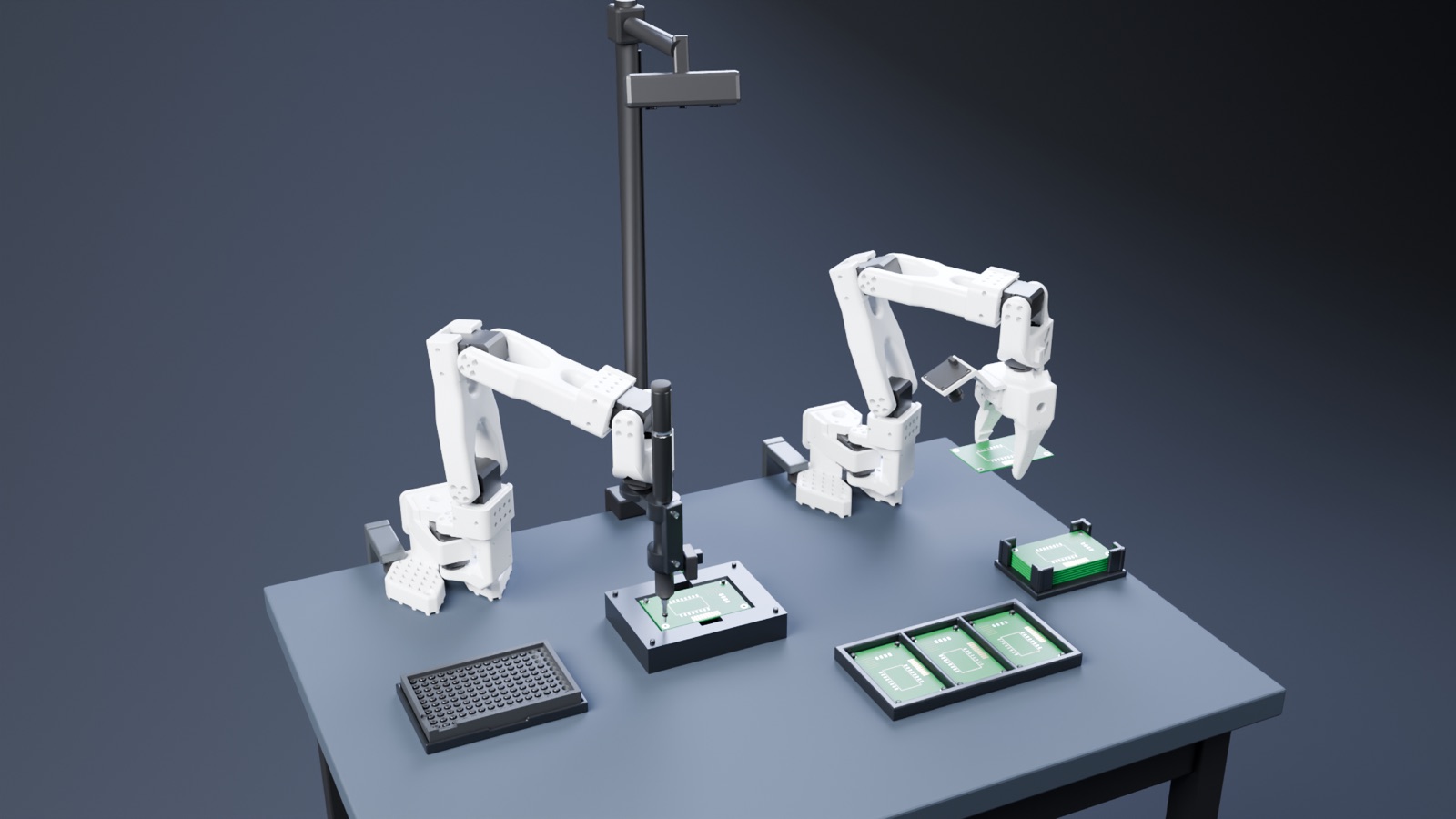
An Inclined station is a robot arm on a bench, with a camera and the right tool for the job. It picks up the part, finds where it goes, and does the step a person would otherwise repeat all day. Short runs and changing parts are part of the plan.
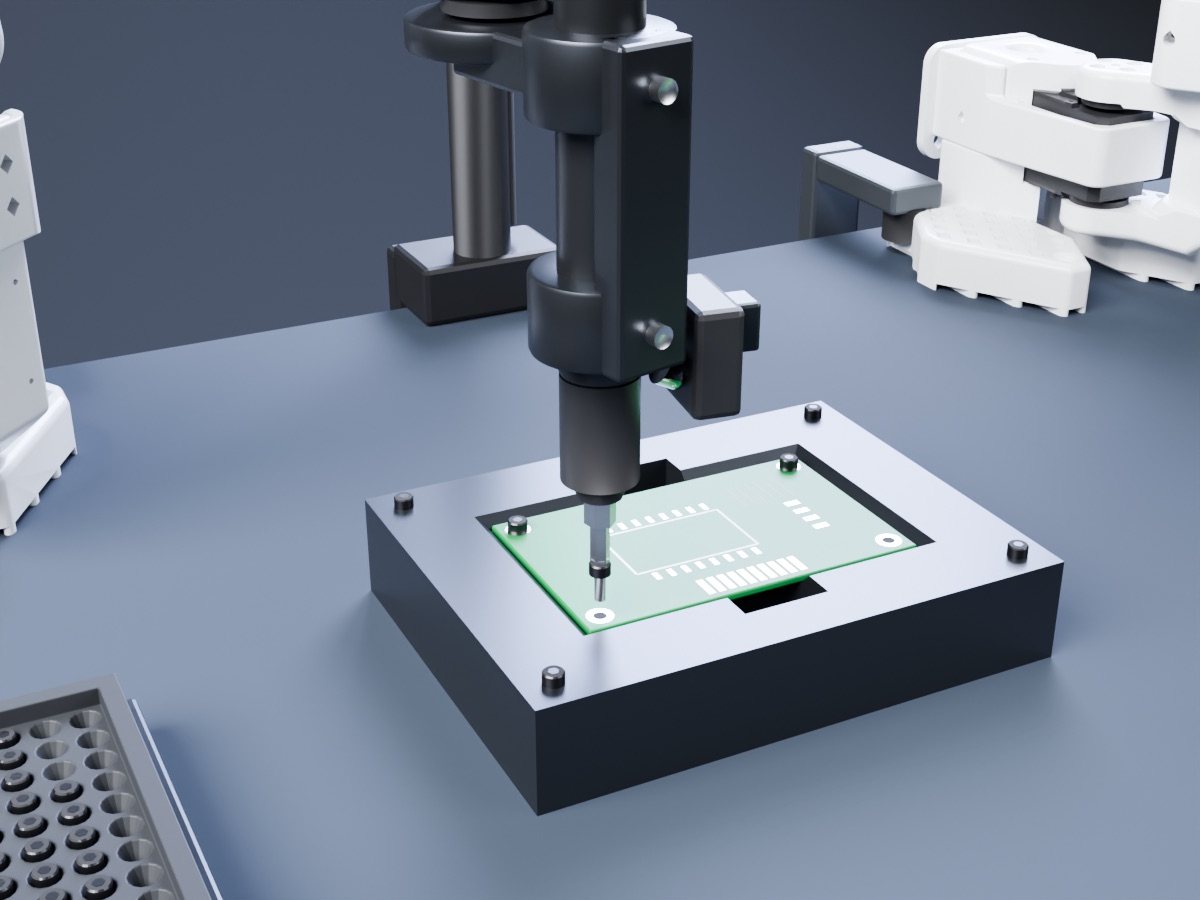
Picks a screw, finds the hole and drives it home. Our first task, and the one we're building now.
Nuts, standoffs, clips and other small fasteners on boards, brackets and housings.
Lines up cable connectors and plugs and presses them home on boards, harnesses and panels.
How a pilot works
Tell us what you build and which jobs your team would gladly hand off.
We walk the floor with you and choose one repetitive step that's a good first fit.
One arm on a bench, next to your people. Your line stays as it is.
If it earns its place, keep it and pay per robot-hour. If not, we pack it up.
Questions
We use small, light arms, and we plan each station with your safety lead before it runs next to anyone. If a step needs a guard or its own area, we'll say so up front.
Small parts on a bench, where a person repeats the same motion many times a shift: driving screws, fitting fasteners, seating connectors. Short runs and frequent part changes are fine. Heavy parts and high-force pressing aren't a fit yet.
A bench-sized spot near the work, power, some sample parts, and someone who knows the job to show us how it's done today.
The pilot month is free. After that you pay per robot-hour, with no upfront purchase. We'll quote a rate for your task once we've seen it.
Contact
Tell us what you build. We'll set up a short call and see whether a station fits your floor.